Back to the Journal
How Far Ahead to Book Event Rides: Check City Pulse
Conventions, games, festivals and holidays decide how easy your ride is to book. Here is how to check before you travel.
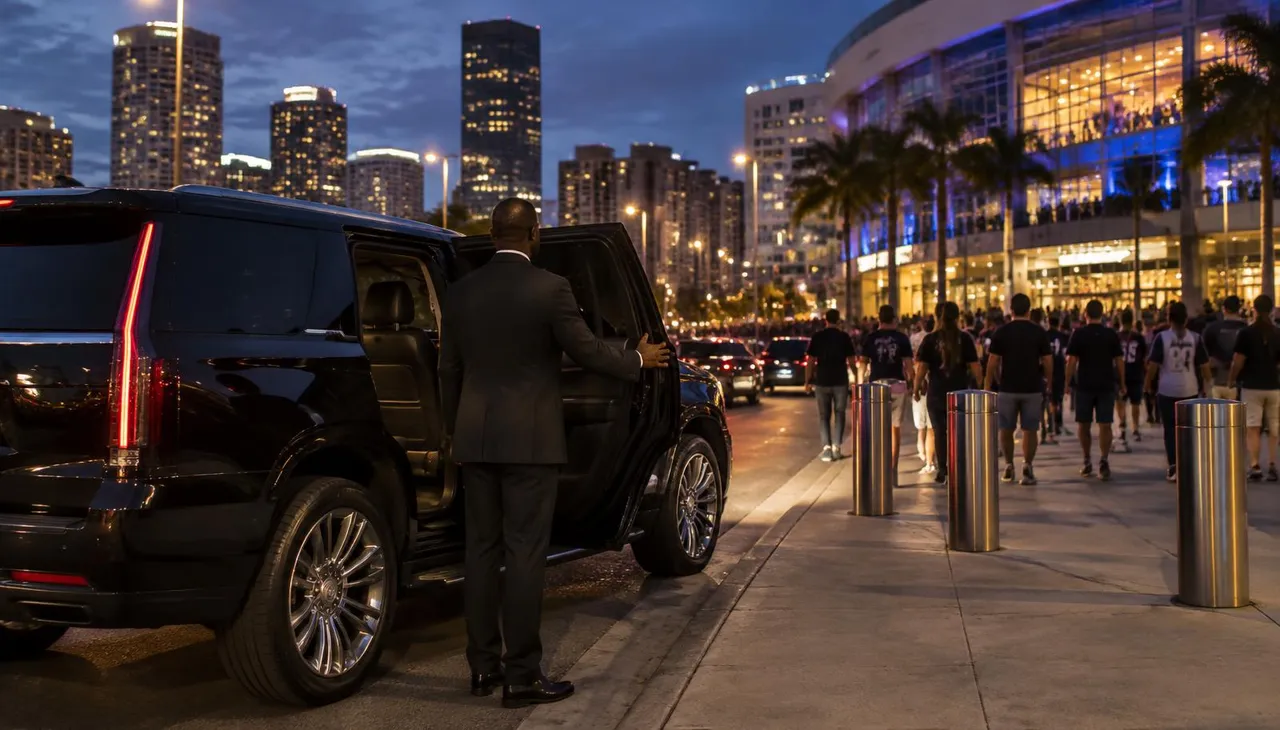
Conventions, games, festivals and holidays decide how easy your ride is to book. Here is how to check before you travel.
Here is a question nobody asks until it is too late: how far ahead should you book a ride? The honest answer is "it depends on who else is in town." If 60,000 fans, a medical convention and a marathon all picked your travel weekend, the good cars go fast. That is why we built TUXEDO City Pulse , a free city crowd calendar. It gathers events from many sources to show how busy the whole city will be on your dates.
It works the same everywhere we drive. Heading to a game or a Broadway night? Lock in your event car service in New York early. Inauguration week or a big summit? Our chauffeur service for DC events fills up fast. Theme parks plus a stadium concert? Plan Orlando private transportation for events before you book the hotel. Art Basel or a playoff game? Reserve a black car for Miami events . Award season? Book event transportation in Los Angeles the moment the tickets land.
Planning a theme-park vacation? You have probably checked an Orlando crowd calendar for the parks. City Pulse zooms out to the whole city. When the city is busy, the parks usually are too, and so are the convention halls, the highways and the airport, often the day before and the day after a big event.
Every city has weddings, birthdays and dinner parties every weekend. They are lovely, and they barely change anything. The days that matter are the big, seasonal ones: conventions, festivals, championship games, marathons, holiday weekends and mega events like the Super Bowl. Those bring tens of thousands of extra people into town at the same time, all looking for a hotel room, a flight and a ride.
Pick your city and month.
Tap a date. You see the day's color, from Quiet to Blackout Risk.
Read the estimate of extra people on the road, on top of normal city traffic.
Check the Prices & availability bar. More filled segments mean higher prices and fewer open hotels and cars.
See that day's events on the side, then press Next day to compare the days after.
Check your dates on City Pulse:
Christmas Eve, Christmas Day, New Year's Eve and New Year's Day always show as very busy, even with no concert listed. Holiday pricing is common, some services require minimum hours, and availability is limited. Nobody wants to drive on Christmas morning, and the ones who do know it.
Big events do not only fill hotels. Airports get crowded before, during and after them: fans and delegates fly in the day before and all fly out the morning after. City Pulse shows suggested airport arrival times for each color: about 2 hours domestic and 3 international on a normal day, up to 3 and 4 hours on the busiest days. Your chauffeur will thank you, and so will your blood pressure.
A quiet or normal day is relaxed: a few days ahead is usually fine. A busy day deserves one to two weeks. A very busy day or a mega event means book as early as you can, ideally weeks ahead, and give yourself extra time on the road. The closer the date, the fewer cars are left and the higher prices tend to climb. Booking early is the cheapest kind of luck.
Check City Pulse before you book flights, not after.
Big event in town? Book your ride the same day you book your hotel.
Look at the day before and after, too. Crowds arrive early and leave late.
Love the buzz? Aim for the red days. Prefer calm? Pick green or yellow.
Busy day on your flight date? Leave for the airport earlier than usual.
Traveling with a group or extra bags? Book even earlier; larger vehicles go first.
On a normal day, a few days ahead is usually fine. On a busy day, one to two weeks. For a mega event or a major holiday, as early as you can.
Yes. It is a city crowd calendar: instead of one theme park, it shows how busy the whole city is expected to be each day.
Yes. On busy days, airports are more crowded before and after big events, so plan to leave earlier than usual.
Every city we serve, including New York, Washington DC, Orlando, Miami and Los Angeles, with more on the way.
Holidays bring high demand on their own: higher prices, possible minimums and limited availability.